
Which AI search engine is the best to use and how do I rank in it?
Monday 13th October 2025
The rise of artificial intelligence has changed the way we search for information online. Instead of typing in a search term into Google and skimming through a list of links and resources, AI-powered now deliver answers, summaries and generated content straight into the search result.
The new AI search landscape
Traditional search engines such as Google and Bing are still dominant, but both are integrating generative AI into their platforms.
AI related search tools
Google Search Generative Experience (SGE)
SGE is Google’s AI that provides answers above the normal search results.
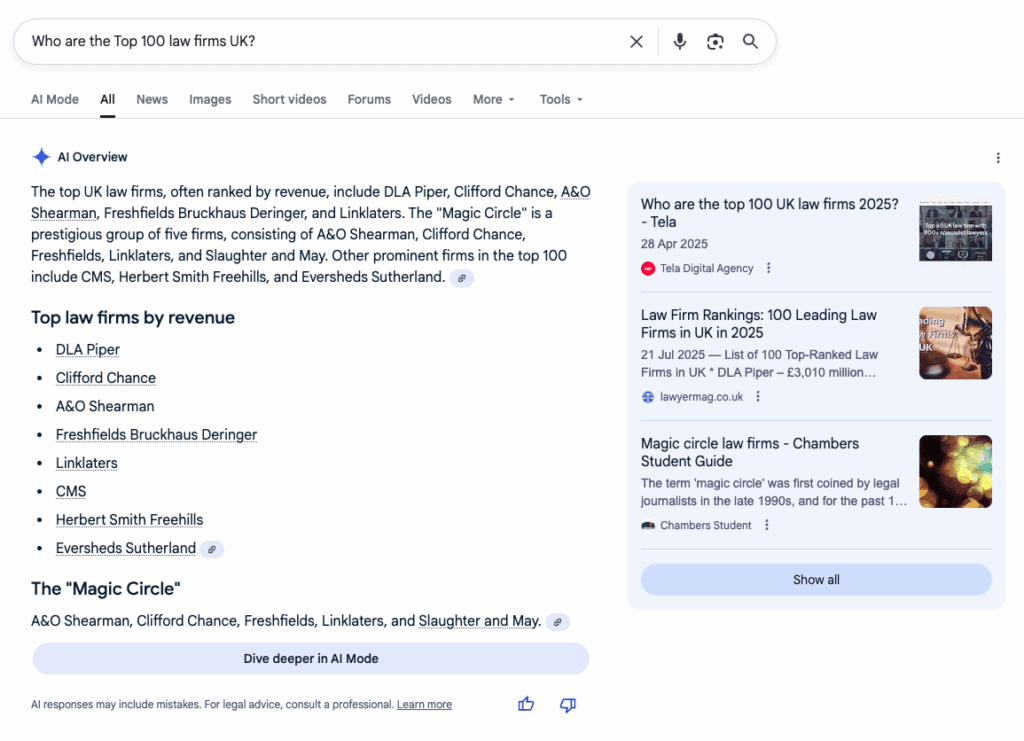
Google’s SGE has information taken from various resources displaying in the AI overview. These sources are linked on the right hand side so a user can look through the sources in more details if needed.
Microsoft Copilot
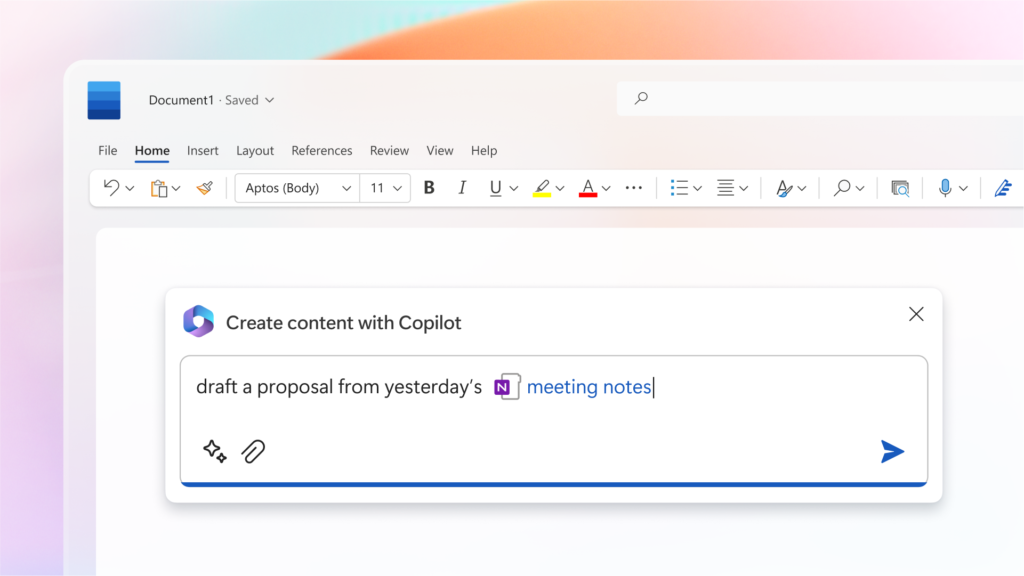
Microsoft Copilot is powered by OpenAI’s Chat GPT technology and is an AI assistant that works across various Microsoft products. This tool can be used in various different products like word, powerpoint, teams and more.
Perplexity
Perplexity is a stand alone AI search engine that uses chatbot style search engine. Perplexity uses citations from sources so users can research further into topics searched for and get the information they want quickly and easily.
ChatGPT
ChatGPT is a browsing type AI search that uses OpenAI to generate responses. ChatGPT is widely used for research and discovery as it cites sources and allows users to ask further questions to gain more information on topics.
Which AI search engine is the best?
The answer depends on your perspective:
For everyday users
Google SGE feels most natural, as it builds on the familiar Google experience.
For professionals and researchers
Perplexity is gaining traction due to its transparency in citing sources.
For integration with productivity tools
Microsoft Copilot is strong due to its link with Office 365 and enterprise use.
For exploration and content creation
ChatGPT browsing mode remains a go-to for many.
In short, there isn’t a ‘best’ AI search engine, it just depends what kind of way you would like to digest research and information in.
How do you rank in AI search?
Ranking in AI-driven search is not quite the same as ranking in Google’s traditional results. AI engines generate answers dynamically, often drawing on multiple sources. That means your goal is less about climbing to “position one” and more about being cited, included, or referenced in AI summaries.
Focus on authoritative content
AI search engines look for trustworthy, expert sources. Detailed, well-structured content with evidence and citations is more likely to be referenced.
Publish useful resources
AI searches like Perplexity and Google SGE prioritise high quality content that answers specific queries. Using various resources like downloads, FAQs, video content, podcasts, guides to help keep content transparent and easy for a user to digest will help with ranking in AI searches.
Keep your content up-to-date
Keeping your content up-to-date allows AI resources to see that you are relevant to trending topics and it will be more likely to use your content in searches. Up-to-date content will also help with the SEO on your website as Google and Bing searches will recognise that you are keeping on top of trending topics and therefore mark you as a credible source.
Build digital authority
Backlinks, mentions and signals of expertise still matter. The more your brand is recognised across the web, the more likely AI engines are to trust your content.
The takeaway
There isn’t one “best” AI search engine, each has strengths and audiences. What matters is preparing your digital content to be discoverable wherever your clients are searching.
By creating credible, question-led, well-structured resources, you increase your chances of being featured in AI-generated answers.