
The history of branding
Wednesday 27th August 2025
Logos are everywhere, from the swoosh on your trainers to the golden arches on your lunch. But logos aren’t just a modern invention; they have a long history that shapes how brands communicate today.
Understanding the past helps us create smarter, more memorable brand identities, here’s a quick look at how logo branding has evolved.
Symbols of identity
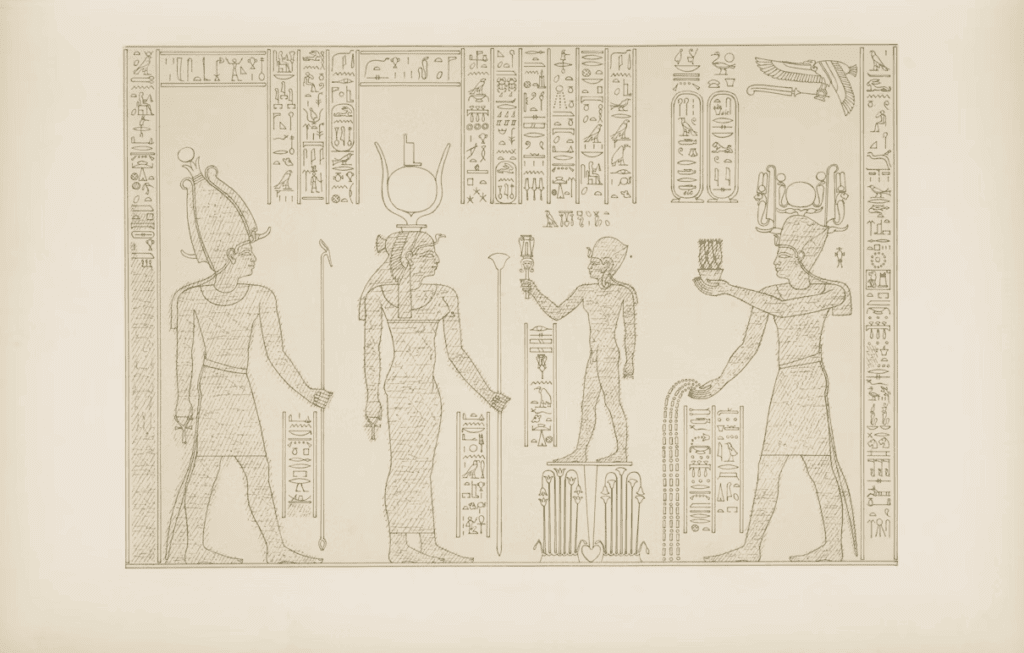
Before companies existed, people used symbols to show identity, ownership and belief. Egyptian hieroglyphics, Roman emblems and medieval coats of arms all acted as early “logos,” communicating meaning without words.
Trade marks and early branding
By the Middle Ages, craftsmen began marking their products to signal origin and quality. These marks acted like early trademarks, helping customers recognise and trust specific makers.
The industrial revolution
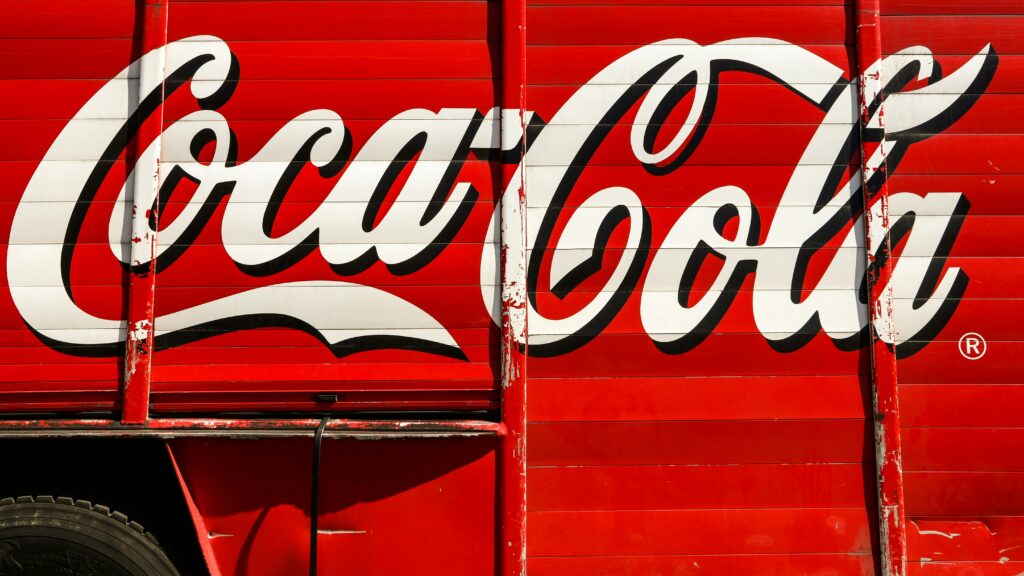
Mass production and global trade meant businesses needed to stand out. Logos became essential for recognition, with brands like Coca-Cola and Bass Brewery creating some of the first enduring commercial trademarks.
The 20th century
With advertising and mass media, logos evolved into full brand identities. Simplicity, versatility and memorability became key, as seen in icons like Nike, Apple and McDonald’s, brands recognised around the world.

The digital age
Today, logos must work across screens, social media and apps. Responsive design ensures a logo is clear, recognisable and consistent on any device, while modern systems often include motion graphics, icons and adaptable colour palettes.

Final thoughts
From ancient symbols to digital icons, logos have always been about identity. Tela combines timeless principles with modern creativity to craft logos that not only stand out but stand the test of time.