
Top 50 barristers’ chambers profile imagery 2026
Wednesday 11th February 2026
Barrister profile pages remain one of the most important conversion points on a chambers website. They are often where potential clients, instructing solicitors and referrers form their first impression of an individual and the chambers. As such, profile imagery continues to play a critical role in trust, credibility and approachability.
In 2021, we conducted research into profile imagery across the top 50 barristers’ chambers websites to identify common styles and emerging trends. Five years on, we have revisited the same research to understand how those trends have evolved and what this means for chambers planning a website refresh in 2026 and beyond.
This piece compares our 2021 findings with updated 2026 data to highlight where the industry has remained consistent and where it has shifted.
Why We Revisited This Research
One of the main questions still raised at the start of a chambers website project is:
‘What do we do with the barristers’ profile images?’.
The style of profile imagery can have a significant impact on the overall look and feel of a chambers website.
By revisiting this research in 2026, we wanted to understand how profile imagery across the top 50 barristers’ chambers has evolved since 2021. Reviewing current approaches allows us to identify changes in industry trends, see whether chambers are moving towards more standardised or more individual styles and provide clearer guidance to chambers planning a website refresh.
What we found
Colour scheme
2021
- Colour: 86%
- Black and white: 14%
2026
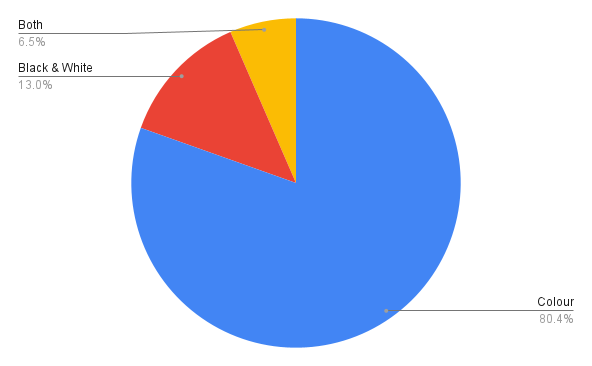
- Colour: 80.4%
- Black and white: 13%
- Both colour and black & white: 6.5%
What’s changed:
Colour photography remains the dominant choice, although its usage has dipped slightly since 2021. A notable new development is the emergence of chambers using a mix of colour and black and white imagery, suggesting a more experimental or editorial approach to presentation.
Despite this small shift, colour imagery continues to be favoured for its ability to convey warmth, personality and approachability.
Image style
2021
- Cut out: 36%
- Depth of field / blurred background: 34%
- Backdrop / plain background: 28%
2026
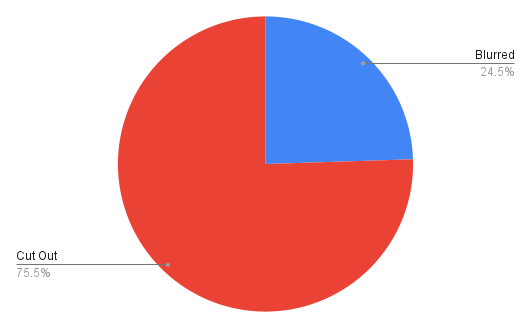
- Cut out: 75.5%
- Blurred background: 24.5%
What’s changed:
The most significant shift since 2021 is the rise in cut out profile imagery, which has more than doubled. This reflects a clear move towards highly controlled, design-led consistency across chambers websites.
Blurred backgrounds are still in use, but their prevalence has declined, suggesting that chambers are prioritising uniformity and ease of scalability over more naturalistic photography styles.
Cut out imagery offers clear practical benefits:
- Easier onboarding of new members
- Greater visual consistency
- Increased flexibility across responsive layouts
Positioning
2021
- Side-on positioning (looking at camera): 84%
- Looking away from camera: 8%
- Face-on: minority usage
2026
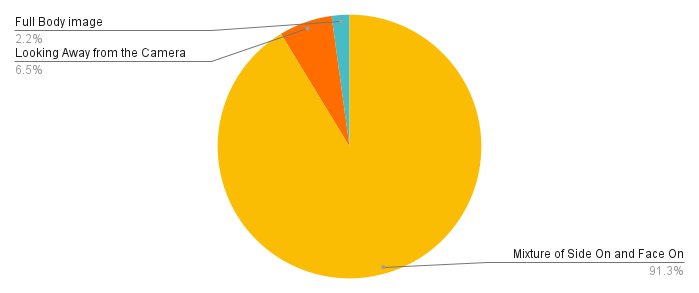
- Mix of side-on and face-on: 91.3%
- Looking away from camera: 6.5%
- Full body imagery: 2.2%
What’s changed:
Positioning has become even more standardised. The overwhelming majority of chambers now use a controlled mix of side-on and face-on portraits, reinforcing professionalism while maintaining approachability.
Full body imagery remains extremely rare, indicating that close-cropped portraits are still preferred for clarity, consistency and usability across digital layouts.
Expression
2021
- Predominantly happy or friendly expressions
- 14% used a mix of serious and smiling imagery
2026
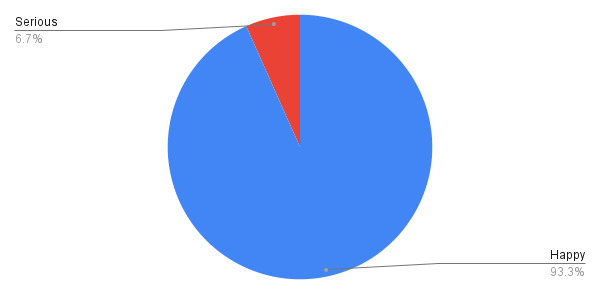
- Happy: 93.3%
- Serious: 6.7%
What’s changed:
There is now a very strong movement towards smiling, friendly expressions. The move away from serious or neutral expressions suggests a broader cultural shift within the profession. This places greater emphasis on approachability, reassurance and human connection.
This trend reflects an understanding that profile pages are not just credentials-led, but relationship-driven.
Standardised
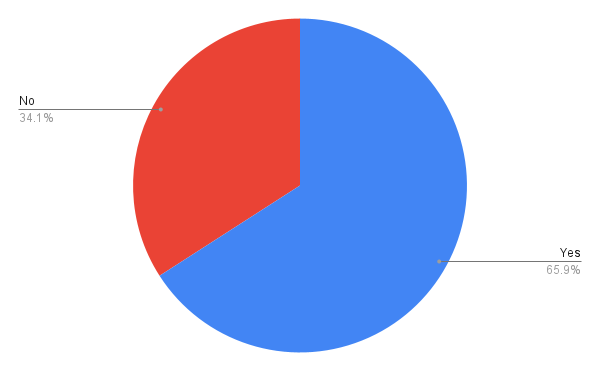
2021
- Standardised imagery: 46%
2026
- Standardised imagery: 65.9%
- Non-standardised: 34.1%
What’s changed:
Standardisation has increased significantly. Nearly two-thirds of chambers now use a consistent photographic style across all profiles, reinforcing brand cohesion and professionalism.
This shift aligns closely with the rise of cut out imagery and suggests that chambers are thinking more holistically about how photography supports digital branding rather than treating profile images in isolation.
Final Thoughts
Comparing 2021 and 2026 shows a clear move towards consistency, control and clarity in barristers’ profile imagery. While personality and warmth remain essential, chambers are increasingly achieving this within tightly defined visual systems.
Key takeaways from the comparison:
- Colour imagery remains dominant, though creative variation is emerging
- Cut out images are now the clear industry standard
- Friendly, approachable expressions are more important than ever
- Standardisation has become a strategic branding choice rather than a design afterthought
For chambers planning a website refresh in 2026, profile imagery should be considered early in the process. Decisions around photography style will directly influence UI, brand perception and long-term scalability. As the data shows, the industry is moving decisively towards cohesive, design-led solutions.